

How to Choose a Branding Agency for Your Wedding Business
How to choose a branding agency is a question that often comes up right when you know your business has outgrown its current look. Maybe your website feels outdated, your logo was something you pieced together years ago, or you’re ready to raise your prices but your brand isn’t quite there yet. You know you need help, but the options feel endless, and it’s hard to know who you can trust with something so personal.
In this episode of Engage Your Brand®, I’m walking through everything I wish every wedding and event pro knew before hiring a brand designer. We’ll talk about what a branding agency actually does, how to know you’re ready for a rebrand, the red and green flags to look for, and the questions to ask before you invest.
🎧 Listen to this episode on Spotify or Apple Podcasts or play it directly below.
I kicked off the episode by sharing a few words from our clients. One said that after years of owning her business, her website finally sounded and felt just like her. Another shared that we understood the values she envisioned for her business, even the details she couldn’t fully express herself. I didn’t share those to pat my team on the back. I shared them because that’s the experience I want you to have, whether you work with us or not.
A Brand Is More Than a Logo
One of the biggest misconceptions in branding is that a logo is enough. Many people imagine a rebrand as a quick, inexpensive logo project. You can absolutely find someone to design a logo quickly. But that doesn’t mean the logo will work hard for your business.
Your brand is your visual identity. It’s how your business is perceived by everyone who encounters it. And here’s the thing: you have control over that perception, but only if you’re intentional about it. If you’re not shaping the narrative, people will form their own opinions.
That’s why choosing the right partner matters so much. Branding is a nuanced, collaborative process, much like the relationship many of you have with your couples. You’ll spend real time with your designer, share personal goals, and trust them with the foundation of your business.
What Does a Brand Designer Actually Do?
“Brand designer” is a general title, a bit like “engineer” or “artist.” You might find one on Fiverr or Upwork, through Instagram or Google, at a speaking event, or through a friend. They might run their own business or work inside a large agency.
I want to be clear that I have no hate for Fiverr or Upwork designers. I spent a short time on Upwork myself, and some designers build incredibly successful businesses there. These platforms can be great for quick projects. The stereotype exists because many people hire someone for a fast logo that fills a short-term gap but doesn’t solve the bigger problem.
A strategic brand designer goes beyond asking what color you want your logo to be. They ask deeper questions, such as:
- What is your booking rate? Understanding your sales helps shape what the brand needs to accomplish.
- How many clients do you want next year? Your goals guide the strategy.
- What do you want your business to look like in three to five years? A brand should support where you’re going, not just where you are.
- If your business were a person, how would it behave? This helps define your brand’s personality.
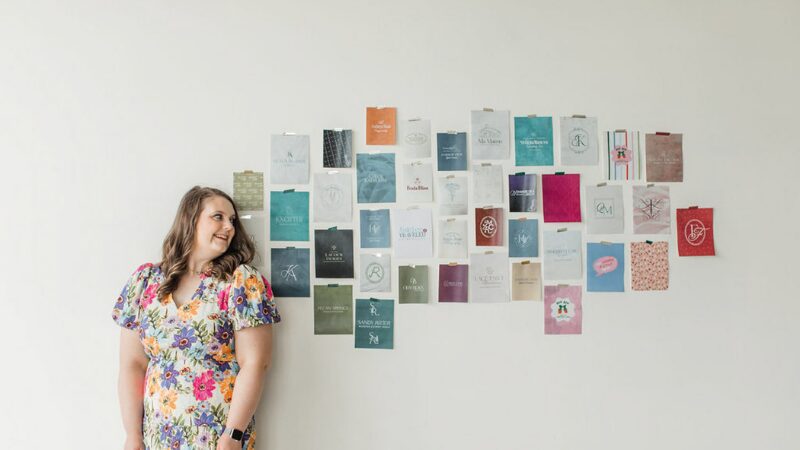
They’ll also research your competitors and market, then design logos, color palettes, typography, patterns, icons, and other visual assets that work together.
Some branding agencies offer only branding. Others, like Emily Foster Creative, also offer website design, marketing materials, social media, blogging, and print or packaging design. We specialize in working with wedding and event pros and creative service providers, often stepping into a chief marketing officer role through ongoing support. There are also services we intentionally refer out, like brand photography and paid ads, so it’s always worth asking exactly what an agency offers.
How to Know You’re Ready for a Rebrand
There’s no perfect timeline for a rebrand. Most of our clients have been in business for at least two to three years and are booking consistently, but I’ve worked with brand-new businesses, part-time owners still working a nine-to-five, and businesses with 20 years of experience. Readiness has more to do with your goals and cash flow than how long you’ve been in business.
One important note: a rebrand shouldn’t come from a place of scarcity. If you’re struggling to pay your bills, a new brand won’t bring in leads overnight. Branding is a long-term foundation. If bookings are slower but you’re still actively networking and marketing, investing alongside those efforts can make sense.
Here are some common signs you’re ready:
- You’re booking, but not the right clients. The work is coming in, but it isn’t the work you want.
- You’re ready to raise your prices. Maybe you’ve invested in your team, systems, or sales skills, but your brand doesn’t yet reflect that level.
- Your brand feels homegrown. One client lovingly called hers a “homegrown brand.” If you feel embarrassed sharing your website, business cards, or social media, it’s time.
- You can’t explain what makes you different. Experience and talent aren’t enough on their own, especially when you have a fraction of a second to capture attention online.
- You want more referrals from planners and venues. Higher-end partners want to recommend professionals who look as polished as their work.
- Your marketing feels inconsistent. Brand guidelines give you clear direction for colors, fonts, and logo use.
- You’re making a long-term change. This could mean scaling your team, launching a new service, moving markets, starting an education arm, or shifting up, across, or down in market.
If you’re not sure whether you need a full rebrand or a lighter update, my post on rebrand vs refresh can help you decide.
Branding Horror Stories to Learn From
Since this episode comes out at the start of spooky season, I wanted to share a few branding horror stories. These are real experiences I’ve heard firsthand from clients and industry peers, kept general to protect everyone’s privacy:
- The client who hired three Fiverr designers. After paying for multiple logos that never felt right, they finally completed a full rebrand and website that stuck.
- The wedding pro with a $10K+ website and no inquiries. Not just for the first month, but for over a year after launch.
- The business whose SEO tanked after launch. A beautiful new site isn’t helpful if it disappears from search results.
- The photographer who never received their final files. They paid for a project they couldn’t use.
- The business owner whose designer disappeared. Not a two-week vacation, but months or even a year without responses when they needed simple updates.
These stories are exactly why it’s worth taking your time to choose the right designer.
Why Choosing the Right Designer Matters
A branding project is a meaningful investment, often at least $3,000, and it’s a vulnerable process. You’ll share your goals, pricing, competitors, and sometimes personal hopes for your family and future. You need to feel comfortable being honest.
You’ll also be giving creative feedback. A great designer welcomes constructive criticism and makes it easy for you to speak up. I always remind our clients that there’s no need to feel shy about sharing what isn’t working. That’s part of creating something that truly fits.
Ideally, a full brand redesign should last 10 to 20 years, unless your business makes a major pivot. While traveling through Ireland and Scotland, I saw brand history displays at Guinness and at a Barbie exhibit in Glasgow. Both brands have evolved over decades, yet their core identities have stayed remarkably consistent. That’s the kind of longevity a strong brand foundation should support.
There’s also an opportunity cost. Time spent with the wrong designer is time you could have spent attracting dream clients with a brand that works. And redoing branding work is often far more expensive than doing it well the first time.
Finally, not every designer is the same. Agencies have different styles, niches, pricing, and services. Some specialize in a specific aesthetic, while others, like us, niche by industry and design across many styles.
Red Flags to Watch For
No single red flag automatically means you shouldn’t work with someone. But if you notice several, pay attention.
They don’t have their own website. This is especially concerning if they offer website design. Newer designers may still be building their online presence, but expect a newer business experience.
There’s no discovery phase. It doesn’t have to be a call, but there should be some kind of questionnaire, conversation, or exchange that helps them understand your business before you sign a contract. Without it, they’re unlikely to create a package that truly fits your needs.
They say they’ll completely shape the process around you. Flexibility in communication is great, but a strong designer should still have a clear, proven process. Ours moves from onboarding to strategy, mood boards, brand design, website design, additional marketing pieces, testing, and launch.
They’ve been in business for years but have no reviews. Look for reviews on their website, Google, or Facebook. Be especially cautious when hiring a friend of a friend who doesn’t run an established design business.
They can’t share any client results, or they overpromise. Look for real examples, like clients who raised prices, attracted better-aligned clients, or improved their search visibility. Be wary of vague answers or guarantees like “you’ll get ten leads in a week” or “you’ll rank on the first page of Google.” For example, my dad’s locksmith business reached the first page of Google quickly after launch, but he works in a small market with little competition. I would never promise the same results to a wedding photographer in New York City.
They don’t explain the strategy behind their design. Every design decision should tie back to your goals and research.
They don’t seem to understand you. They don’t need to specialize in the wedding industry, but they should be willing to research your market. Just as importantly, you should feel comfortable, respected, and safe working with them. If you’re part of the LGBTQ+ or BIPOC community, or anyone who has had to explain or defend who you are, your designer should make you feel fully welcome. You deserve to feel seen in this process.
Things Wedding Pros Worry About Too Much
Some concerns are understandable, but they shouldn’t be deal-breakers.
Years of experience. A designer with fewer years in business can still provide an excellent experience, especially if they bring strong design training or industry experience.
An exact portfolio match. In the wedding industry, clients often book you for a specific style. Design works differently. A strategic designer can work across many aesthetics. If you want a pink website but don’t see one in their portfolio, that doesn’t mean they can’t design it. Have a conversation about your vision instead.
Timeline. Plan ahead so you have enough time, but don’t rush. Whether a project takes two weeks or three months matters far less than building a brand that works.

Green Flags of a Great Branding Partner
You don’t need every one of these in place, but they’re strong signs you’ve found a great fit:
- Payment plans. Flexible payments make it easier to manage cash flow. Our clients typically pay across two to twelve installments.
- Custom pricing. Like home renovations, branding and website projects vary. Pricing should reflect your specific needs.
- Thoughtful discovery questions. They want to understand your business challenges, goals, and sometimes even your finances to make sure branding is the right solution right now.
- Related services. Having branding, website design, and marketing support in one place can simplify the process.
- Multiple five-star reviews. A single one-star review isn’t necessarily a red flag. Even your favorite restaurant probably has one. Look for a pattern of positive experiences.
Questions to Ask Before You Hire a Branding Agency
Before you sign a contract, these questions can help you avoid the red flags and feel confident in your decision:
- What services do you offer? Even if you only need branding now, it helps to know what support is available later.
- What does support look like after launch? Ask about tutorials, final file types, deliverables, and how to get help if you need updates.
- Do you have reviews? This is especially helpful if you can’t find them online.
- Have you worked with a business like mine? It’s okay if they haven’t, as long as they’re willing to research your industry.
- What kind of results do your clients see? Listen for honest, specific examples rather than guarantees.
- What is your process like? A clear process is one of the best predictors of a smooth project.
- Can I book a call? If no call is offered, it’s always worth asking.
Ready to Talk About Your Brand?
If you’re preparing for a rebrand or new website, download our free Standout Brand Launch Checklist. It walks you through what to consider as you launch your new brand.
And if you’d like to talk through your goals, I’d love to connect. You can book a discovery call to ask any branding or website questions. Even if we’re not the right fit, I’m always happy to point you toward someone who might be.
Find the Partner Who Truly Gets You
Choosing a branding agency isn’t just about finding someone who can make something look beautiful. It’s about finding a partner who listens, asks the right questions, and builds a brand and website that reflect who you are and where your business is going.
When you know how to choose a branding agency with intention, you’re not just investing in a new look. You’re investing in a foundation that can support your business for years to come. For more branding and website tips, follow along on Instagram at @emilyfostercreative or explore more posts on the Emily Foster Creative blog.



Be the first to comment