

Rebrand vs Refresh: What Your Business Actually Needs
Rebrand vs refresh is one of the most common questions I hear from wedding pros and one of the most misunderstood.
Because on the surface, it can feel simple.
You look at your website, something feels off, and your first instinct is either:
“I need to redo everything.”
or
“Maybe I just need to tweak a few things.”
But the reality is, these two options solve very different problems.
And choosing the wrong one can lead to wasted time, wasted money, and a brand that still doesn’t feel aligned with where your business is going.
In this post, I’m breaking down the difference between a rebrand vs refresh, when each makes sense, and how to decide what your business actually needs, so you can move forward with clarity and intention.
🎧Listen to this episode on Spotify or Apple Podcasts or play it directly below.
Why This Conversation Matters More Than You Think
A rebrand or a refresh is not just a design decision.
It’s a business decision.
And that’s something I always try to communicate early on, especially on discovery calls. Because while it might seem like we’re talking about colors, fonts, and logos, what we’re really talking about is:
- Your positioning in the market
- The clients you want to attract
- The perception of your business
- And ultimately, your revenue potential
This is why I ask so many questions that have nothing to do with design at first.
Because sometimes the answer isn’t a rebrand or a refresh at all.
Sometimes the real issue is:
- Your sales process
- Your systems
- Your networking strategy
- Your visibility
And if we skip that step and jump straight into design, we risk creating something that looks beautiful, but doesn’t actually solve the problem.

Why Timing Matters More Than the Decision Itself
One of the most overlooked parts of deciding between a rebrand vs refresh is timing.
Because even if you choose the right option, if the timing is off, it can still feel like the wrong investment.
And this is something I see often, wedding pros investing in branding when they’re in a transitional phase, instead of a stable one.
For example:
- You’re still figuring out your services
- You’re testing pricing or packages
- You’re not fully booked yet or consistent in inquiries
- You’re unsure of your long-term direction
In these cases, a rebrand might feel exciting, but it can actually create more confusion than clarity.
Because your brand is being built on a foundation that’s still shifting.
On the flip side, waiting too long can also hold you back.
If your business has already evolved, but your brand hasn’t caught up, you may notice:
- You’re attracting the wrong type of clients
- Your pricing feels disconnected from your presence
- You hesitate to share your website or portfolio
- You feel like your business has outgrown your brand
This is where timing becomes less about being “ready” and more about being aligned.
The goal isn’t to rebrand at the perfect moment.
It’s to rebrand when your business direction is clear enough to support it.
What a Brand Refresh Actually Is
A brand refresh is exactly what it sounds like.
It updates the visual expression of your brand without changing the core strategy behind it.
That means your:
- Target audience
- Brand positioning
- Messaging
- Business direction
…are all staying the same.
You’re not reinventing your business.
You’re refining how it’s presented.
What a Refresh Typically Includes
A brand refresh might involve:
- Updating fonts to feel more modern or aligned
- Refining your color palette
- Improving logo typography
- Expanding your brand assets (additional logos, variations, etc.)
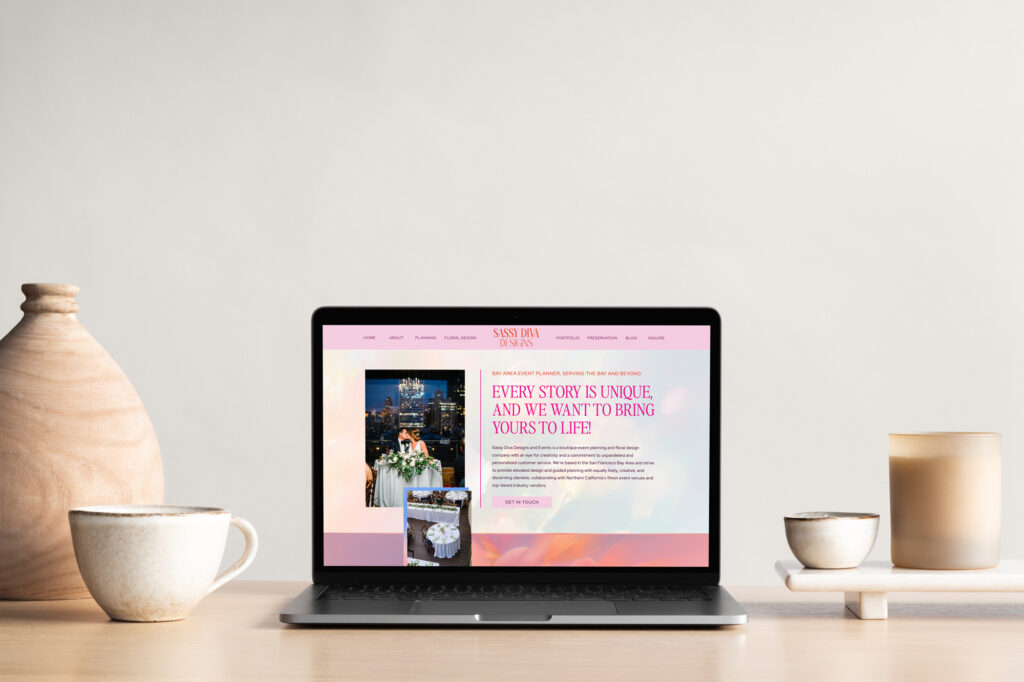
- Refreshing your website layout or imagery
But importantly, it does not include a full strategic overhaul.
You’re not starting from scratch, you’re building on an existing foundation.
When a Brand Refresh Makes Sense
A refresh can be a really smart move for the right business at the right time.
Especially if you already have a strong foundation in place.
Some signs that a refresh might be the right direction include:
- Your brand feels visually outdated, but still recognizable
- Your audience hasn’t changed, but your work has evolved
- You’re attracting the right clients, but want to elevate perception
- Your marketing feels inconsistent or lacks cohesion
- Your website isn’t converting as well as it should
In these cases, the issue isn’t your strategy, it’s your execution.
And that’s an important distinction.
Because if the strategy is solid, a refresh can increase the perceived value of your business without requiring a full rebuild.
What a Rebrand Actually Is
A rebrand, on the other hand, is a strategic shift.
It changes how your business is positioned and perceived.
This is not just about visuals, it’s about alignment.
A rebrand often includes:
- New positioning in the market
- A refined or different target audience
- Updated messaging and brand voice
- A new visual identity (logos, colors, typography)
- Website redesign
- Sometimes even a name change
It’s a deeper process because it’s rooted in where your business is going, not where it started.
When a Rebrand Is the Right Move
A rebrand is typically needed when your business has outgrown its current identity.
And this can happen faster than people expect.
Some signs that you may need a full rebrand include:
- Your target audience has changed
- Your services or offers have shifted significantly
- Your brand no longer reflects your pricing or quality
- Your messaging feels disconnected from what you actually do
- You feel embarrassed to send your website
- You’ve scaled your team or business model
In these cases, a refresh won’t solve the problem.
Because the issue isn’t just how things look, it’s how your business is being communicated.

The Biggest Mistake: Choosing Based on Emotion Instead of Strategy
One of the most common patterns I see is people making this decision emotionally instead of strategically.
There are two sides to this:
1. Wanting to tear everything down too quickly
Some people feel like they need to start over completely, even when their foundation is strong.
This can lead to unnecessary investment and loss of brand recognition.
2. Holding onto what no longer works
Others hesitate to invest in a rebrand because it feels like a big step—financially and emotionally.
So they choose a refresh instead, even when it’s not enough.
And in both cases, the result is the same:
The problem doesn’t get solved.
The Hidden Cost of Staying in a Misaligned Brand
One thing we don’t talk about enough is the cost of not making a change.
Because while investing in a rebrand or refresh can feel like a big decision, staying in a brand that no longer fits also has consequences.
And they’re often less obvious, but just as impactful.
A misaligned brand can lead to:
- Attracting clients who aren’t a good fit for your pricing or process
- Spending more time explaining your value instead of having it understood
- Feeling disconnected or unmotivated in your marketing
- Lower inquiry conversion rates, even if traffic is steady
- Inconsistent messaging across platforms
Over time, this creates friction in your business.
Not just in how others perceive you, but in how you show up.
Because when your brand doesn’t reflect your current level, it’s harder to confidently sell your services.
It’s harder to raise your prices.
And it’s harder to feel like your business is growing in the direction you want.
This is why I always say that branding is not just about aesthetics.
It’s about removing friction.
Real-Life Examples: Refresh vs Rebrand in Practice
To make this more tangible, here are a few examples of how this plays out in real businesses.
Example 1: The Established Planner (Refresh)
A wedding planner with strong brand recognition in their market wanted to elevate their brand, but not lose their identity.
Instead of a full rebrand, we:
- Kept their recognizable logo mark
- Refined their typography
- Expanded their brand assets
- Redesigned their website
This allowed them to modernize and grow without losing recognition.

Example 2: The Growing Business (Refresh + Website)
A past client who had built their brand a few years ago came back because their business had evolved.
They didn’t need a full rebrand, but they did need:
- Updated layouts
- New imagery
- Refined messaging
This is a perfect example of a brand evolving over time.

Example 3: The Pivoting Business (Rebrand)
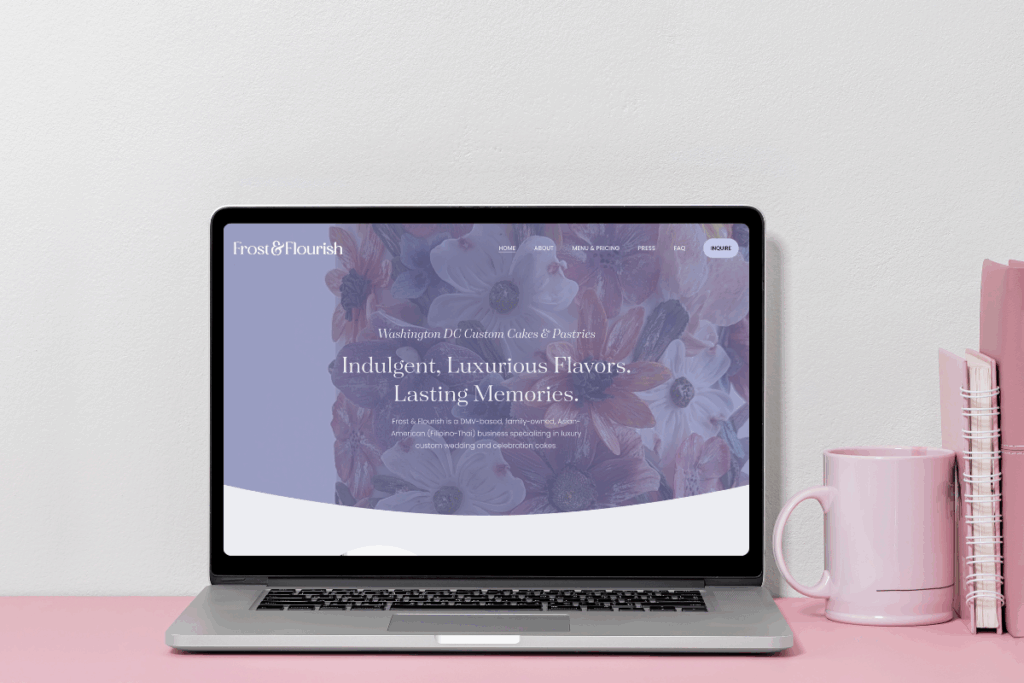
A bakery client shifted their positioning and audience.
We rebranded the business entirely, including:
- New name
- New visual identity
- Updated messaging
Since then, they’ve scaled to six figures and hired a full-time team member.

Rebrand vs Refresh: The Simple Way to Think About It
If you’re still unsure, here’s the easiest way to think about it:
A refresh is like renovating your kitchen.
A rebrand is like building a new house.
One improves what already exists.
The other creates something new from the ground up.
Neither is better, they just serve different purposes.
What Happens If You Choose the Wrong One
This is where things can get frustrating.
Because when you choose the wrong path:
- You spend money without solving the real problem
- You still feel disconnected from your brand
- Your marketing continues to feel ineffective
And often, you end up needing to go back and do the other option anyway.
Which is why this decision matters.
How to Decide What Your Business Needs
If you’re trying to figure this out for yourself, here are a few guiding questions:
- Has my audience or offer changed?
- Am I trying to reposition my business?
- Do I feel aligned with my current brand?
- Is this a visual issue or a strategic issue?
- Am I trying to fix something deeper with design?
If your answers point to strategy → you likely need a rebrand.
If your answers point to visuals → a refresh may be enough.
What to Do If You’re Still Not Sure
Even after understanding the difference between a rebrand vs refresh, it’s completely normal to still feel unsure.
Because your business is nuanced.
And your decision should be too.
If you’re in that in-between space, here are a few next steps you can take before making a decision:
- Audit your current brand objectively
Look at your website, Instagram, and marketing as if you were a potential client. Does it reflect your current level of work and pricing? - Ask for outside perspective
Sometimes what feels “off” is hard to identify on your own. Getting feedback from a trusted peer or designer can bring clarity quickly. - Identify the actual problem
Are you struggling with inquiries, conversions, or confidence in your brand? The root issue will guide your decision. - Give yourself a timeline
If you’re not ready to invest right now, set a timeline to revisit the decision intentionally instead of staying stuck in indecision. - Focus on alignment, not urgency
You don’t need to rush into a rebrand or refresh. But you also don’t want to ignore the signs if your business has outgrown your brand.
Sometimes clarity doesn’t come from forcing a decision.
It comes from asking better questions.
This Is About Alignment, Not Perfection
At the end of the day, this isn’t about having the “perfect” brand.
It’s about having a brand that reflects where your business is now, and where it’s going.
Because when your brand is aligned:
- Your messaging feels easier
- Your marketing feels more intentional
- Your clients feel like the right fit
- Your business grows more sustainably
And that’s the goal.
Listen to the Full Episode
If you want to hear me walk through this in more detail, you can listen to the full episode of Engage Your Brand® on Spotify, Apple Podcasts, or right here on the blog.
Ready to Take the Next Step?
If you’re in that in-between stage, unsure whether you need a rebrand or a refresh, I’d love to help you figure that out.
You can inquire about branding and website design at Emily Foster Creative, and we’ll walk through what actually makes sense for your business.



Be the first to comment