

Creating Visibility in 2026: What It Really Takes to Be Seen (Without Burning Out)
Creating visibility in 2026 feels heavier than it used to, and if you’re a wedding or creative professional feeling that tension, you’re not imagining it.
Visibility today isn’t just about posting content. It’s about showing up in a world that feels louder, more divided, more uncertain, and more algorithm-driven than ever before. It’s about finding the confidence to speak when values clash, the economy feels shaky, and comparison is just one scroll away.
That’s why this conversation on the Engage Your Brand podcast felt especially important.
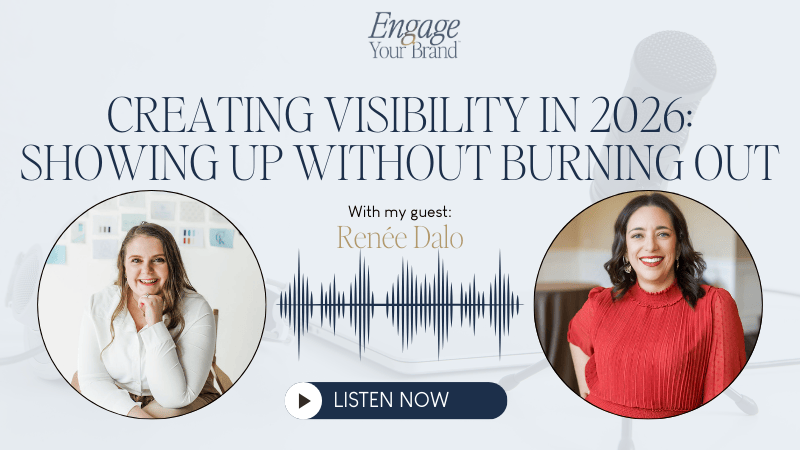
Renee Dalo is a keynote speaker, certified coach, and visibility hype woman for creative entrepreneurs. We didn’t just talk about marketing tactics. We talked about confidence, age, self-trust, sales, burnout, journaling, video, luxury positioning, money mindset, and what it really means to be visible in a modern business.
This episode wasn’t about becoming louder.
It was about becoming clearer.
And that distinction is everything.
🎧Listen to this episode on Spotify or Apple Podcasts or play it directly below.
Why Creating Visibility in 2026 Feels So Different Than It Did Before
Before we even talk about how to be visible, it’s important to name why visibility feels different right now.
In earlier seasons of social media, visibility was largely optional. You could rely on referrals, word-of-mouth, or a single strong platform and still grow steadily. Today, discovery looks different. Couples and clients are researching more, watching longer, and forming opinions long before they ever inquire.
At the same time:
- The economy feels unpredictable
- Values feel more polarized
- AI is reshaping how people search and consume content
- Comparison is constant and relentless
Creating visibility in 2026 requires more emotional regulation, more clarity, and more intention than ever before. It’s not just about being seen, it’s about being understood in a noisy, fast-moving world.
Visibility Isn’t Who You Are, It’s a Choice You Make
One of the most powerful moments in this conversation came early, when I asked Renee if she had always been bold and visible.
Her answer? No.
She wasn’t a loud child. Definitely not the wild one. And being the person who commanded attention in every room? That didn’t come naturally.
It came from realizing that staying small, quiet, and safe started to feel bad in her body.
That’s such an important distinction.
Visibility isn’t about personality.
It’s about permission.
For many business owners, especially women, visibility feels unsafe because we’ve been taught to be agreeable, polished, and unobtrusive. But at some point, not expressing yourself starts to cost more than the fear of being seen.
Creating visibility in 2026 often begins with one internal decision:
I’m going to show up even if I don’t feel fully ready.
Confidence Is Built Through Action, Not the Other Way Around
There’s a myth that confident people show up because they feel confident.
In reality, it’s the opposite.
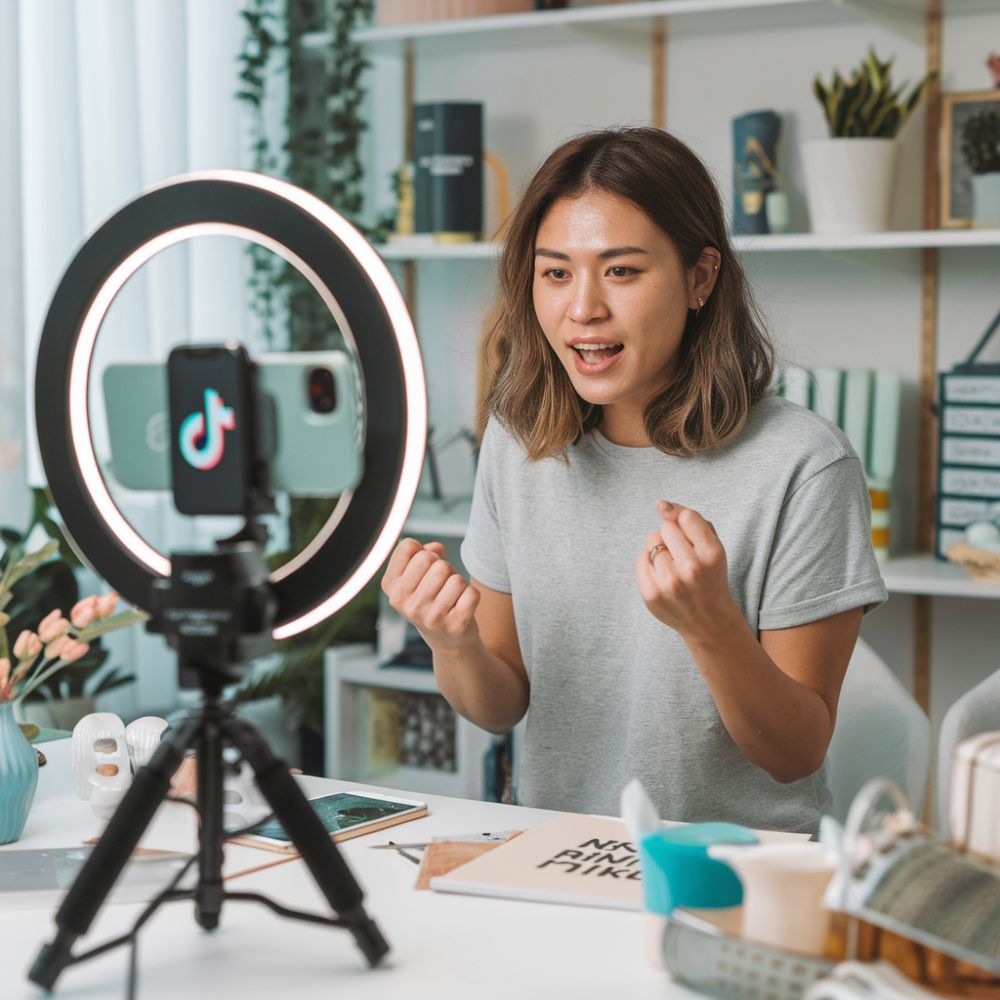
Renee shared something I hear echoed again and again by experienced business owners: confidence is built by doing the thing despite the inner critic. It’s not the absence of doubt, it’s the willingness to move forward with doubt in the room.
This matters because so many creatives tell themselves:
- “I’ll show up once I feel more confident.”
- “I’ll do video once I feel more polished.”
- “I’ll speak once I feel more qualified.”
But confidence doesn’t arrive first. Action does.
Visibility in 2026 requires choosing movement over perfection, again and again.
Visibility Is Emotional Before It’s Strategic
This is where a lot of marketing advice falls short.
Visibility isn’t just tactical. It’s emotional.
Being visible activates:
- Fear of judgment
- Fear of being misunderstood
- Fear of being “too much” or “not enough”
Especially in the wedding industry, where your work is personal and high-stakes, visibility can feel like exposure.
Renee’s story highlights something important: staying small doesn’t always feel safer in the long run. Sometimes, suppression costs more than expression.
Creating visibility in 2026 means learning how to move through discomfort instead of waiting for it to disappear.
Creating Visibility in 2026 Means Accepting That Marketing Is Part of the Job
Renee said something that really stuck with me: none of us started our businesses thinking we’d need to be online personalities.
We started because we loved the work.
But the reality is that in today’s world, with very few exceptions, you have to be comfortable putting yourself out there in some way. Visibility is no longer optional, it’s how people decide who to trust.
That doesn’t mean you need to become someone else.
It means you need to let yourself be seen.
Visibility Builds Trust Long Before the Inquiry
One of the quiet but powerful themes throughout this conversation was how visibility changes the sales process.
When someone has spent time with your content, watching your videos, reading your blog posts, listening to your podcast, they don’t arrive cold. They arrive pre-qualified.
Visibility does the work of:
- Explaining how you think
- Communicating what you value
- Setting expectations
- Filtering out misaligned clients
By the time someone reaches out, they’re often not asking if you’re capable, they’re asking if you’re the right fit.
That shift makes sales feel calmer, more mutual, and more aligned.
Sales Gets Easier When You Know Why You Do This Work
One of the most grounding parts of this conversation was Renee’s perspective on sales.
She grew up around sales, her father worked in corporate tech sales, and she never viewed sales as slimy or manipulative. To her, sales was about helping people.
But what really shifted her ability to sell was self-awareness.
Through journaling, especially in the early years of her business, she asked herself:
- Why do I care about this work?
- What moments matter most to me?
- Where do I feel confident?
- Where do I feel insecure?
That self-reflection allowed her to articulate what made her different, and clarity makes selling feel honest instead of forced.
When people struggle with sales, it’s often not a script problem.
It’s a self-awareness problem.

Journaling as a Visibility and Thought Leadership Tool
Journaling came up again and again in this conversation, not as a “nice habit,” but as a business tool.
Renee journals to:
- Process experiences
- Develop opinions
- Clarify her voice
- Identify what she actually believes
This is how thought leadership forms.
If you don’t slow down long enough to ask yourself what you think, your content will always feel generic.
Visibility isn’t about having more ideas.
It’s about having clearer ones.
Video Feels Hard Because It’s Asking You to Be You
Even as a trained actor, Renee resisted social media at first.
Why? Because acting is playing a role. Social media asks you to show up as yourself.
That’s a fundamentally different ask.
Video requires:
- Saying words you believe
- On camera
- To a public audience
- Without a script
- Without immediate feedback
Of course that feels uncomfortable.
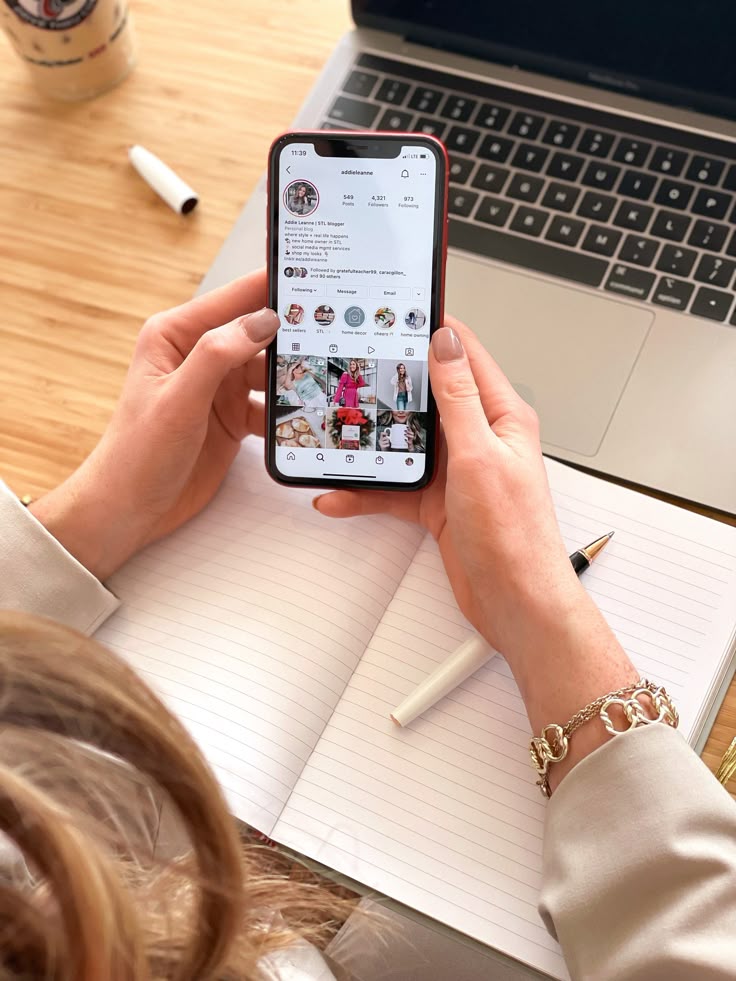
What Actually Happens When You Commit to Showing Up on Video
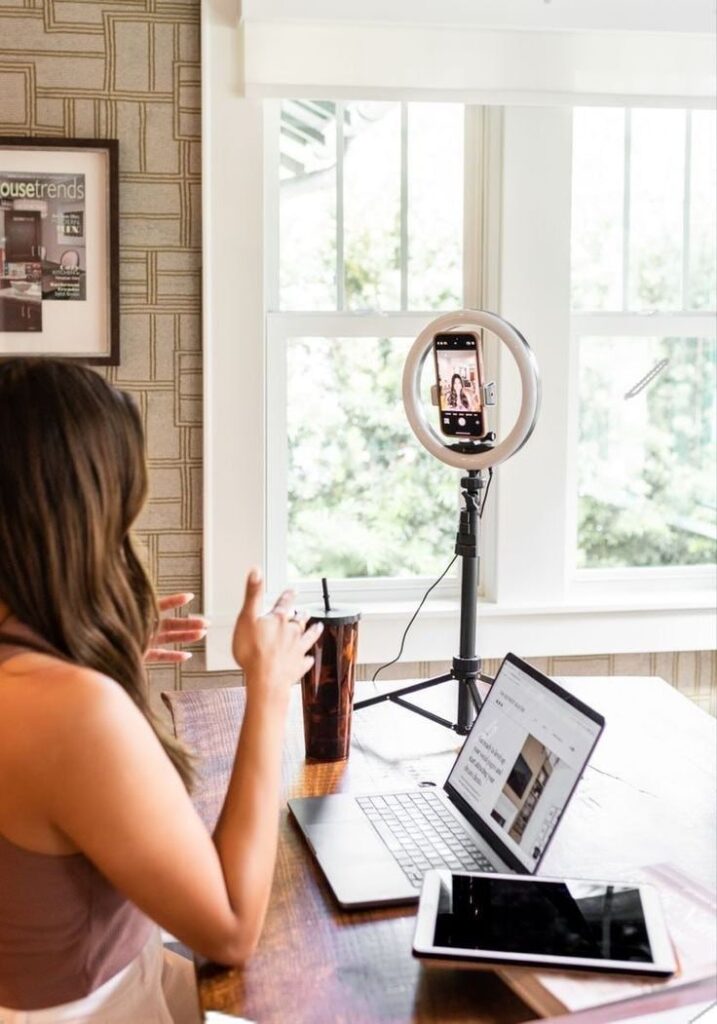
When Renee finally committed, really committed, to showing up on video consistently, something unexpected happened.
The content that performed best wasn’t the polished, styled, curated videos.
It was the real ones.
The sweatshirt days.
The no-makeup days.
The honest thoughts recorded in real life.
Because people don’t connect with perfection.
They connect with humanity.
You Don’t Need to Look Perfect to Be Professional
A big concern for many wedding pros is this:
“If I work with high-end clients, can I really show up casually?”
The answer isn’t yes or no, it’s intentional.
Luxury clients want trust, not perfection.
You don’t need to show up sloppy or off-brand, but you also don’t need to be hyper-polished every time. That level of perfection can actually create distance.
Filters, Angles, and Giving Yourself Permission to Feel Comfortable
One of the most refreshing moments in this episode was Renee’s honesty about filters.
She uses them.
They make her feel more comfortable.
And it doesn’t matter.
The goal of visibility isn’t moral purity.
It’s consistency.
If something helps you show up, use it.
Visibility Works Even When It Doesn’t Look Like Inquiries
One of the most practical takeaways from this episode is that visibility creates movement, not always instant bookings.
Renee shared that every day she posts a video, something happens:
- A speaking inquiry
- A coaching question
- A freebie download
- A DM from someone who’s been watching quietly
Visibility keeps you top of mind.
Content Isn’t as Ephemeral as We Think
People often assume social media disappears quickly.
But content lives longer than we realize.
People find:
- Old reels
- Archived posts
- Past blog content
- Long-forgotten freebies
Visibility compounds.
Content Does Not Have to Take Hours
Another major barrier to visibility is time or the belief that content creation is a massive time commitment.
In reality:
- A 10–20 second video can take minutes
- Editing doesn’t need to be complex
- Documenting beats overproducing
Content gets easier when you stop treating it like a production.
Visibility Is a Muscle, Not a Talent
One of the most powerful ideas Renee shared is that visibility is muscle memory.
You don’t even have to post everything you record.
Just:
- Turn the camera on
- Speak for 10–20 seconds
- Get used to seeing yourself
- Get used to hearing your voice
Avoidance doesn’t make it easier.
Practice does.
The Three Levels of Visibility (And Where Most Businesses Thrive)
Renee teaches visibility in three levels:
One: Baseline Visibility
- Occasional posts
- Rare video
- Mostly lurking or observing
Two: Consistent Visibility
- Regular video or long-form content
- Clear thought leadership
- One primary platform
Three: High-Level Visibility
- Books
- Podcasts
- Speaking, media, large platforms
Most wedding and creative professionals thrive in Level Two, and that’s more than enough.
Scaling While Still Being the Face of Your Brand
Being visible doesn’t mean doing everything forever.
As Renee scaled her wedding planning business, she had to:
- Shift messaging from “me” to “we”
- Trust her team
- Allow other voices to shine
Visibility evolves as your business grows.
Creating Visibility in 2026 During an Uncertain Economy
This year has felt strange, across nearly every market.
Slower bookings.
Tighter budgets.
More hesitation.
And yet, this is exactly when visibility matters most.
When people aren’t buying yet, they’re watching.
Staying Nimble Instead of Digging Your Heels In
One of the most important lessons from this episode is adaptability.
Creating visibility in 2026 means:
- Adjusting offers when needed
- Meeting clients where they are
- Staying flexible instead of rigid
Resilience beats rigidity.
Visibility Is an Act of Service
One of the most powerful reminders from this conversation:
Every day you don’t share your thoughts, someone doesn’t benefit.
Your idea doesn’t have to be new.
It just has to be yours.
Visibility Refines Your Message Over Time
The more you show up, the clearer your voice becomes.
You’ll notice:
- What resonates
- What doesn’t feel true
- What you actually believe
Visibility isn’t just outward-facing.
It shapes you internally.
Creating Visibility in 2026 Is About Clarity, Not Noise
Creating visibility in 2026 doesn’t require being louder, trendier, or more performative.
It requires:
- Self-awareness
- Consistency
- Willingness to be seen
- Trust in your perspective
You don’t need to be everywhere.
You just need to be present where it matters.
And if you want support aligning your visibility with a brand and website that actually support your growth, you can explore resources and services at emilyfostercreative.com.
You don’t need to be perfect.
You just need to show up.


Be the first to comment