
Wedding Venue Branding and Marketing: Building a Sustainable Venue From the Ground Up
Wedding Venue Branding and Marketing is often reduced to aesthetic, logos, color palettes, social media grids, styled shoots. Yet the reality is far more complex. Branding a venue requires infrastructure decisions, operational discipline, risk tolerance, and long-term strategy.
In this episode of the Engage Your Brand podcast, I sat down with Denise Peacock, owner of Montgomery Creek Ranch in central Indiana, to unpack what it actually takes to transform raw land into a fully booked, year-round wedding venue.

🎧 Listen to this episode on Spotify or Apple Podcasts or play it directly below.
Her journey spans corporate leadership, cancer recovery, retirement, reinvention, infrastructure investment, rebranding, and steady growth in a saturated market.
This conversation is not about trends. It is about foundations.
Reinvention After Retirement: Why This Venue Exists
Denise did not enter the wedding industry through photography, planning, or design. Her background is in franchise leadership. For 23 years, she operated eight McDonald’s restaurants, overseeing hundreds of employees and thousands of daily customers.
After selling her franchises and stepping away due to a breast cancer diagnosis, she intended to slow down. She moved to central Indiana with the goal of being present with her children and living a quieter life.
Then she discovered the property.
The 160-acre estate featured:
- Expansive wooded acreage
- Open hayfields
- A large Amish-built barn
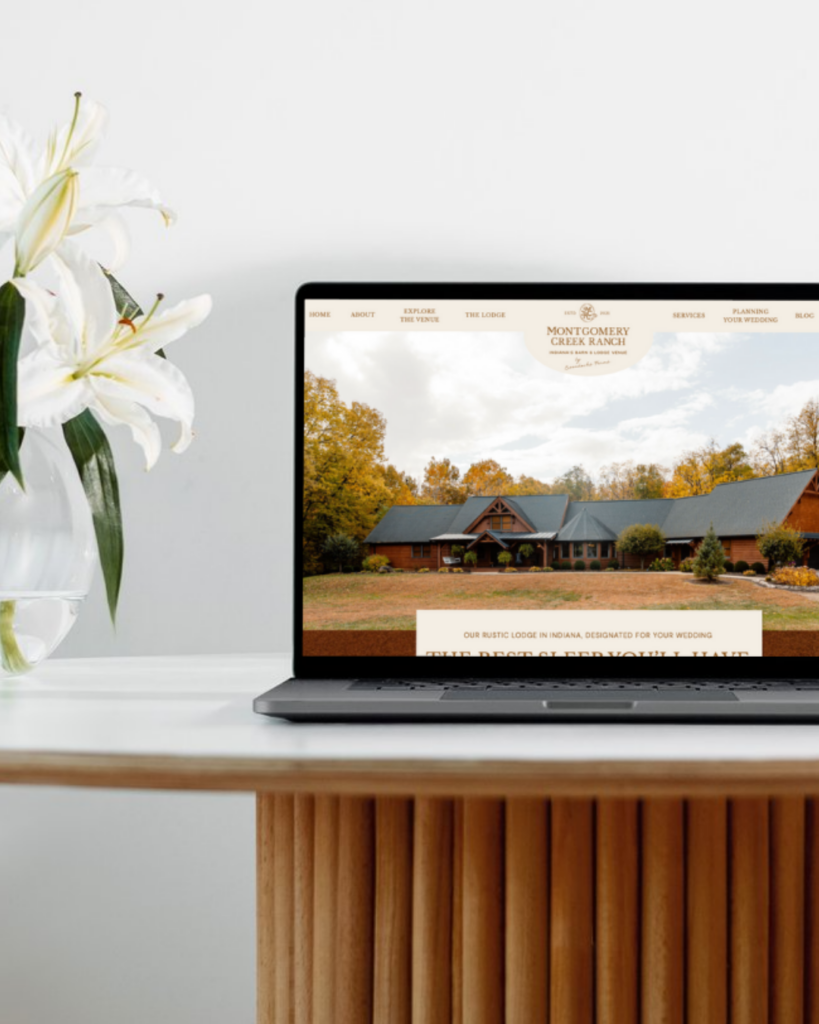
- A custom 6,000-square-foot log lodge
- A creek running through the property
Initially, ownership was about the land itself. Living there was not the plan. Operating a venue was not the plan.
However, learning that the property had previously functioned as a seasonal wedding venue planted an idea. The infrastructure existed in fragments. The potential felt obvious.
Opportunity rarely arrives in perfect condition. More often, it arrives unfinished.
From Seasonal Operation to Year-Round Strategy
When Denise purchased the property, it operated under the name Boondocks Farm. It was a seasonal venue with limitations. The barn was not heated. It was not insulated. Winter events were not feasible.
Rather than accept seasonality as a permanent ceiling, Denise researched heating solutions for non-insulated agricultural structures. She evaluated feasibility, cost, and long-term return.
The barn is now heated successfully, even in sub-zero Indiana temperatures.
Operational upgrades also included:
- Snow removal systems for a long private drive
- Salting and winter access planning
- Infrastructure modifications for safety
- Weather contingency processes
These decisions were not glamorous. They were strategic.
Year-round revenue does not happen accidentally. It requires operational investment long before marketing campaigns begin.

Strategic Patience Before Rebranding
One of the most intelligent moves Denise made was delaying the name change.
Boondocks Farm had local recognition. Abruptly rebranding before establishing credibility would have risked confusion.
Instead, she:
- Maintained the original name temporarily
- Booked weddings
- Built reputation
- Stabilized revenue
- Then rebranded intentionally
The new name, Montgomery Creek Ranch, draws from the actual creek running through the property. It feels elevated, rooted, and expansive.
Rebranding was not cosmetic. It was a signal of maturity.
Timing matters in Wedding Venue Branding and Marketing. A beautiful rebrand cannot compensate for unstable operations.
Applying Corporate Systems to Hospitality
Denise’s background as a McDonald’s owner-operator profoundly shaped how she built the venue.
McDonald’s operates on three pillars:
- Quality
- Service
- Cleanliness
Those same pillars now guide Montgomery Creek Ranch.
Quality shows up in:
- Property maintenance
- Event setup precision
- Vendor relationships
- Client experience
Service appears in:
- Response time
- Communication tone
- Tour structure
- Staff demeanor
Cleanliness reinforces:
- Professional standards
- Perceived value
- Luxury positioning
Branding is not separate from operations. It is reinforced by operations.
A venue cannot market itself as premium if the bathrooms are neglected, the grounds are uneven, or the staff is disorganized.
The Barrier to Entry in Venue Ownership
The wedding industry contains many low-barrier roles. Starting a planning business requires expertise but minimal infrastructure. Launching photography services requires equipment and marketing.
Venue ownership is different.
It requires:
- Large capital investment
- Property acquisition
- Insurance coverage
- Zoning compliance
- Maintenance overhead
- Staff management
- Infrastructure upkeep
Most venue owners carry one of the largest financial obligations of their lives.
This reality influences branding decisions. Venue brands must communicate stability, professionalism, and longevity because the stakes are high.
Oversaturation: The Current Venue Landscape
Within a 50-mile radius of Montgomery Creek Ranch, approximately 20 venues opened in two and a half years. Nearly half have already closed.
Common reasons include:
- Lack of market research
- Underestimating operating costs
- Insufficient marketing strategy
- Seasonal revenue dependence
- Weak differentiation
Oversaturation does not eliminate opportunity. It raises the bar for clarity.
In crowded markets, positioning must answer:
- Why this venue?
- What makes it different?
- What does it offer that others do not?
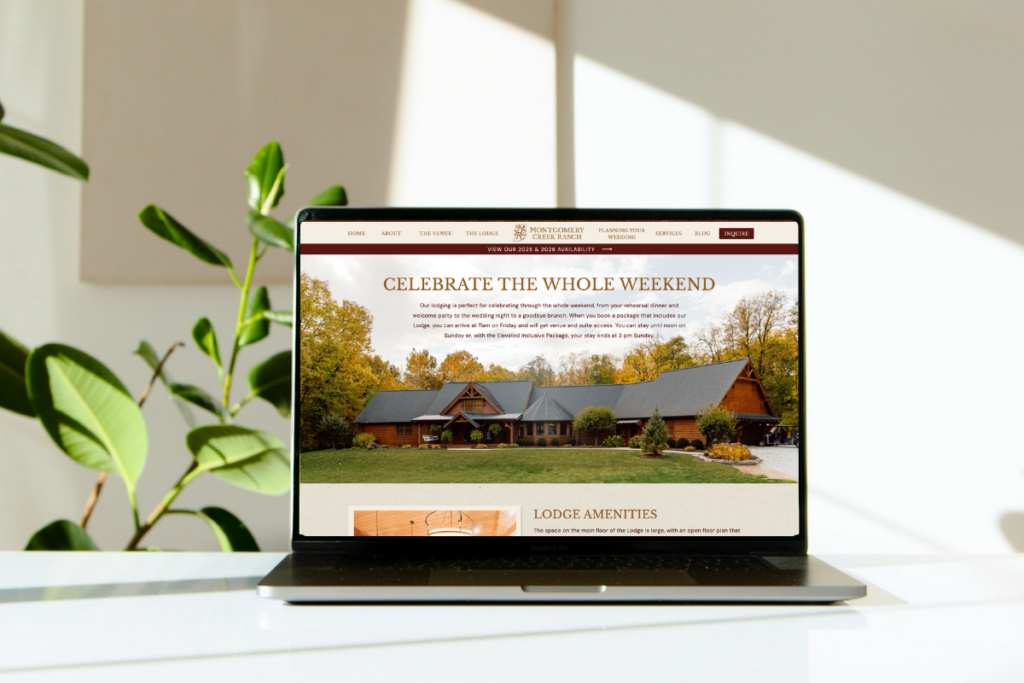
For Montgomery Creek Ranch, the answer includes the 6,000-square-foot log lodge that sleeps 20 guests.
That single asset enables:
- On-site rehearsal dinners
- Multi-day celebrations
- Corporate retreats
- Extended guest experiences
Differentiation should be structural, not decorative.
Branding Beyond Visual Identity
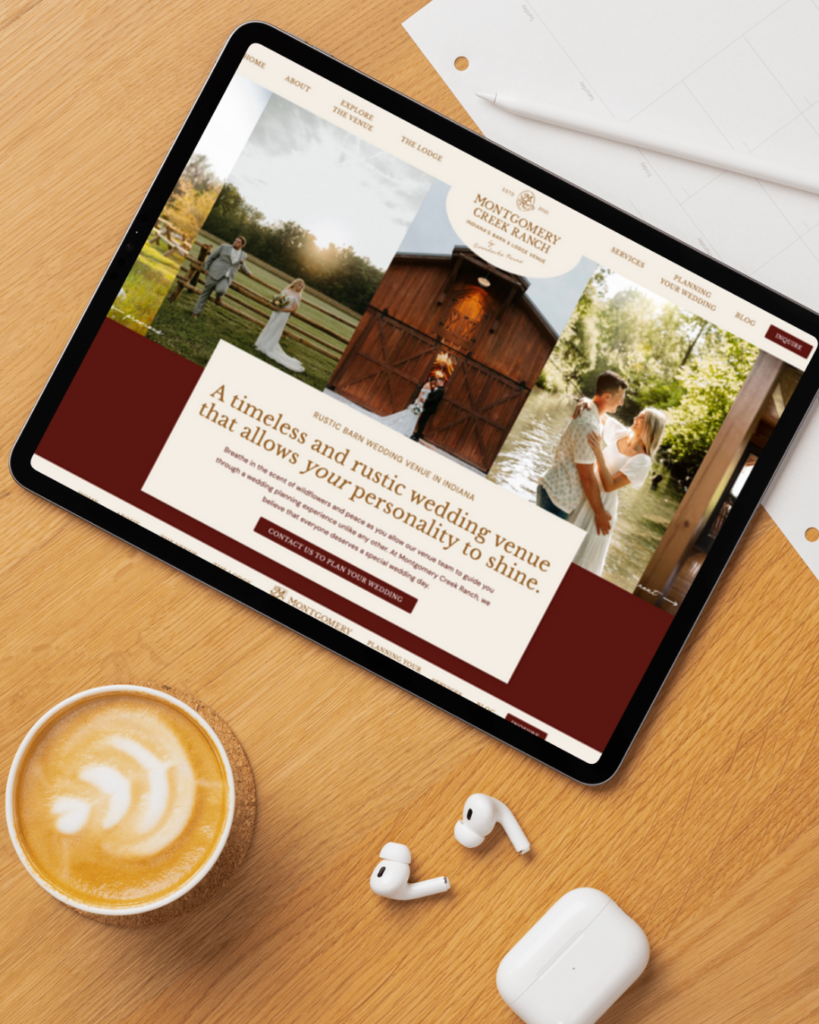
The rebrand introduced refined typography, elevated color palettes, and cohesive digital presentation. Romantic Burgundy became a defining shade.
Yet Denise identifies consistency as the ongoing challenge.
Branding must extend into:
- Staff onboarding
- Tour scripts
- Email communication
- Social media captions
- Printed materials
- Merchandise
Inconsistent experiences weaken perception. Strong brands are reinforced in small moments.
Every tour is marketing. Every email is branding.
Marketing Investment and Long-Term Visibility
Organic reach alone is insufficient in saturated markets.
Denise treats marketing as infrastructure rather than optional expense. She understands that relying solely on word-of-mouth or Instagram is unstable.
Effective Wedding Venue Branding and Marketing includes:
- Paid advertising strategy
- Ongoing website optimization
- Search engine visibility
- Google Ads investment
- Data analysis
- Quarterly performance review
Advertising requires courage. It also requires discipline.
Throwing money at ads without clear positioning produces noise. Strategic campaigns built on strong brand clarity produce growth.

Hiring as Brand Protection
Team selection is central to protecting brand standards.
Denise uses paid on-the-job evaluations before formal hiring. Candidates shadow weddings to observe real-time pressure, client interaction, and pace.
This approach filters for:
- Composure under stress
- Client empathy
- Work ethic
- Alignment with brand values
Staff behavior reflects brand credibility. One poorly handled interaction can undermine months of marketing.
Economic Shifts and Booking Behavior
Recent booking patterns reveal changes in buyer behavior.
Denise has observed:
- Couples booking shortly after engagement
- 12–18 month planning windows
- Increased micro-wedding demand
- Greater financial caution
- Shorter decision timelines once engaged
Economic conditions influence planning behavior. Vendors must adapt messaging to meet couples where they are.
Marketing during cautious seasons should emphasize:
- Value clarity
- Process transparency
- Experience differentiation
- Confidence in delivery
Silence in inquiries does not always indicate failure. It may indicate shifting timing patterns.
The Emotional Resilience of Entrepreneurship
Launching the venue immediately after COVID created uncertainty. Sleepless nights accompanied the first booking season.
Denise aimed for ten weddings in year one. She surpassed that goal.
Entrepreneurship requires the ability to:
- Take risks
- Recover from missteps
- Analyze failed experiments
- Pivot quickly
- Maintain forward motion
No risk produces no reward. Yet reckless risk without evaluation produces instability.
Balance matters.
Leadership as Brand Identity
At this stage, Montgomery Creek Ranch books multiple years in advance.
However, Denise identifies her greatest pride not in revenue, but in watching her team grow into their roles.
Leadership strengthens brand reputation.
Clients hire venues for aesthetics, but they return for professionalism. They refer for experience.
A grounded leader creates a steady brand presence.
What Sustainable Venue Growth Actually Looks Like
Sustainable growth includes:
- Infrastructure before marketing
- Marketing before panic
- Differentiation before expansion
- Systems before scale
- Consistency before reinvention
Venue brands that last treat branding as long-term architecture, not a seasonal refresh.
Final Thoughts on Wedding Venue Branding and Marketing
Wedding Venue Branding and Marketing cannot be isolated from operational discipline, infrastructure investment, leadership development, and market awareness.
Montgomery Creek Ranch demonstrates that sustainable success is built through:
- Strategic patience
- Structural differentiation
- Year-round readiness
- Professional branding
- Intentional marketing
- Team alignment
- Emotional resilience
Branding elevates perception.
Systems reinforce credibility.
Marketing drives visibility.
Leadership sustains momentum.
If you are considering launching a venue, expanding an existing one, or refining your market position, this episode offers a real-world blueprint grounded in experience rather than theory.
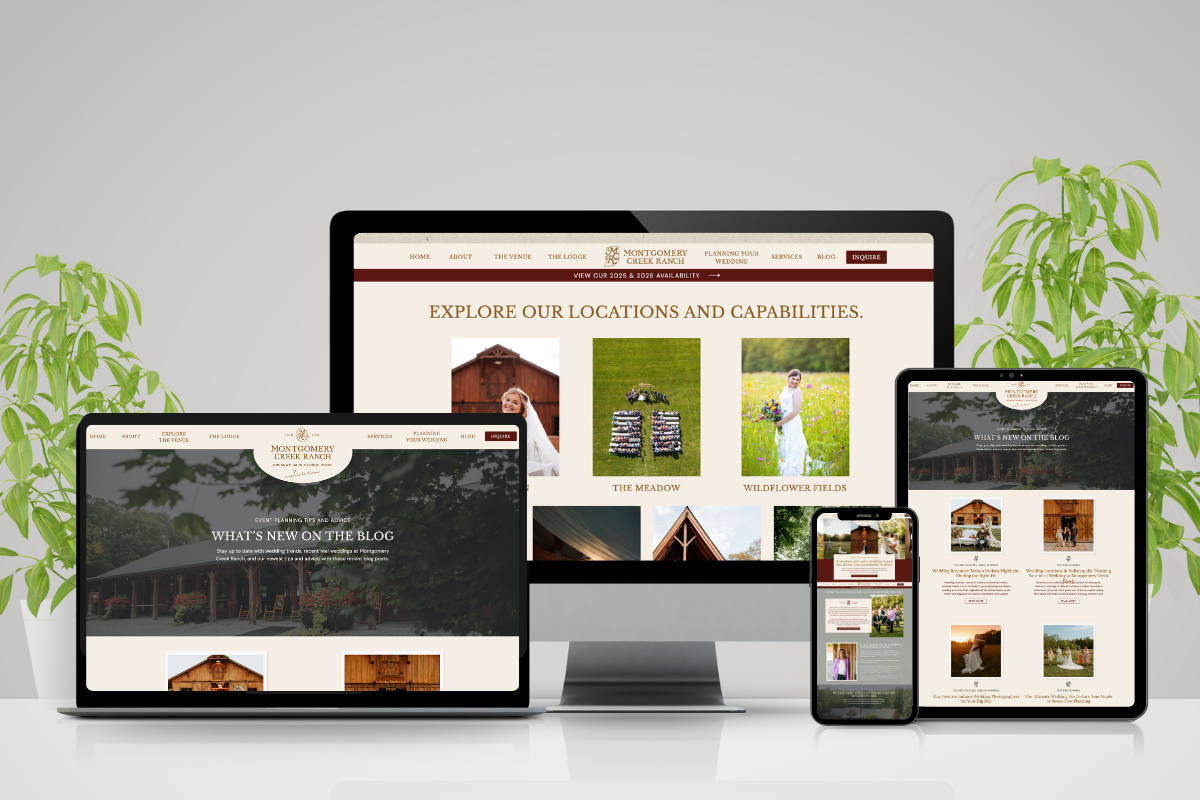
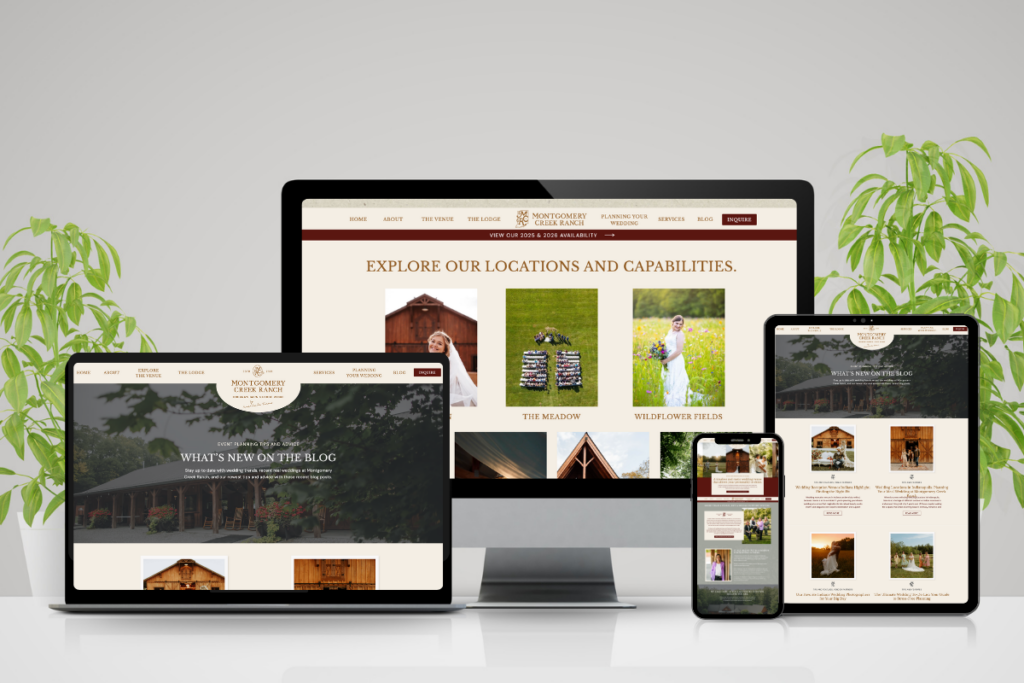
And if you’d like to see how this transformation translated visually and strategically, you can explore the full Montgomery Creek Ranch brand and website design inside Emily Foster Creative’s portfolio. The case study walks through the rebrand, positioning strategy, and visual evolution that supported the ranch’s next phase of growth.
Sometimes the clearest way to understand strong Wedding Venue Branding and Marketing is to study it in action.



Be the first to comment